
Pet Robots Edge Closer to Reality
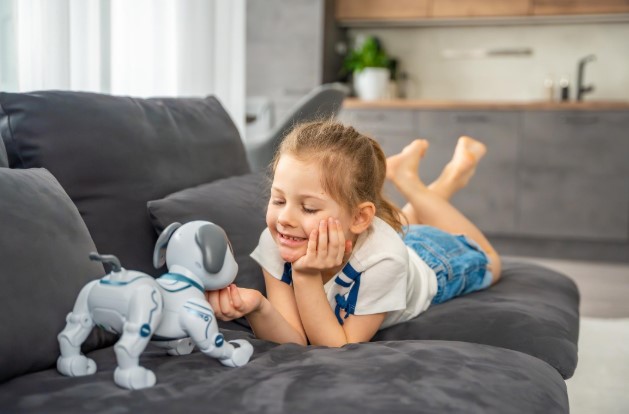
Pet robots are no longer a pure sci-fi fantasy. Thanks to advances in artificial intelligence, robotics, sensors, and affordable computing, companies are getting much closer to building companion robots that can interact, respond, and even form simple emotional connections with people.
Why Pet Robots Are Becoming Real
The biggest reason pet robots are moving closer to reality is the rapid improvement in AI. Robots can now recognize voices, detect movement, process emotions in limited ways, and respond with more natural behavior than ever before. At the same time, smaller and more efficient hardware has made it easier to build robots that are compact enough to live in a home.
Another major factor is demand. Many people want companionship, especially in busy cities where traditional pet ownership can be expensive or difficult. Others are looking for robots that are allergy-friendly, low-maintenance, and suitable for seniors, children, or people who live alone.
What Makes a Pet Robot Different
A pet robot is designed to feel more like a companion than a machine. Unlike industrial robots or simple toys, these devices are built to react to human presence, learn routines, and show personality through sound, motion, and behavior. Some may wag, blink, follow a person around the room, or respond when spoken to.
The goal is not necessarily to replace a real pet. Instead, the aim is to create a companion that offers comfort, entertainment, and interaction without the responsibilities of feeding, grooming, or walking.
Technology Driving the Shift
Artificial intelligence is the core technology powering this trend. Modern AI models allow robots to understand commands, adapt to user behavior, and produce more lifelike responses. Machine learning also helps these robots improve over time by remembering patterns and preferences.
Sensors play an equally important role. Cameras, microphones, touch sensors, and motion detectors allow pet robots to “sense” their surroundings and react in real time. Combined with compact motors and better battery life, these systems make robots feel more alive and responsive.
Where Pet Robots Can Be Used
Pet robots may find their biggest market in homes, especially among families, older adults, and people who cannot own real pets. They can provide emotional comfort, encourage routine, and reduce loneliness. For children, they may also serve as interactive learning companions that help develop responsibility and empathy.
They could also become useful in care settings. Hospitals, assisted living centers, and rehabilitation programs may use companion robots to bring comfort to patients and residents. In these environments, a robot can offer a calming presence without the hygiene and maintenance challenges of an animal.
Benefits of Pet Robots
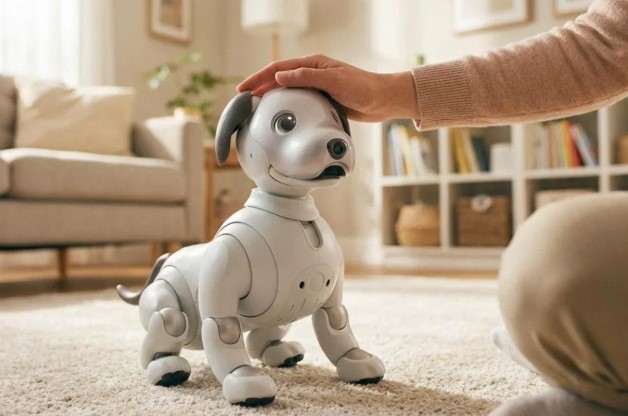
Pet robots offer several clear advantages.Do not shed hair, require vet visits, or need food and water. They are also easier to control in public or shared spaces and can be programmed for different needs.
They may also help people who love the idea of having a pet but are unable to care for one. This includes elderly users, allergy sufferers, people with limited mobility, or those living in apartments with strict rules.
Challenges Ahead
Even though the technology is improving, pet robots still face major challenges. One is cost. Advanced robotics can be expensive, which may limit access for many consumers. Another challenge is emotional realism. A robot may look and act cute, but it still may not provide the same depth of connection as a living animal.
There are also privacy concerns. If a robot uses cameras, microphones, or cloud processing, users may worry about how their data is stored and used. Battery life, durability, and repairability are other practical issues that developers must solve before pet robots become common in everyday homes.
Could Pet Robots Replace Real Pets?
For many people, the answer is no. Real pets offer unpredictable affection, genuine companionship, and emotional bonds that are difficult to replicate with software and motors. However, pet robots may become a strong alternative for users who want some of the emotional benefits without the full responsibility.
In that sense, the future may not be about robots replacing pets. It may be about robots filling a different role, one that sits between entertainment device, companion, and emotional support tool.
| Feature | Pet Robots | Real Pets |
|---|---|---|
| Maintenance | Low | High |
| Cost over time | Medium to high upfront, lower ongoing care | Ongoing food, vet, grooming costs |
| Emotional response | Programmed and limited | Natural and unpredictable |
| Allergy risk | None | Possible |
| Longevity | Depends on hardware and software support | Depends on animal health |
| Companionship | Strong for some users | Deep and organic |
The Future of Companion Robots
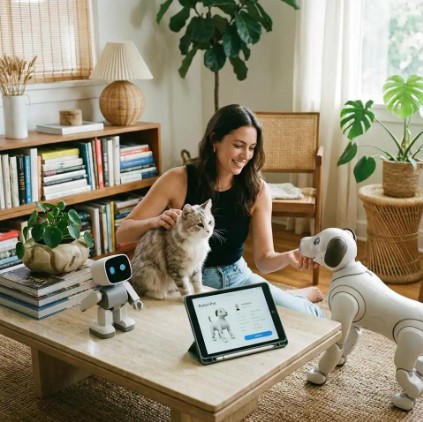
The next generation of pet robots will likely become more expressive, more interactive, and more affordable. As AI systems improve, these robots may recognize moods, respond with more nuanced behavior, and adjust to user routines more naturally. Over time, they could become as common as smart speakers or home assistants.
Still, the biggest success for pet robots may come from their ability to serve special use cases rather than replace real animals. They can support people who need comfort, companionship, or simple interactive fun without the challenges of traditional pet ownership.
FAQs
1. What are pet robots?
Pet robots are AI-powered companion devices designed to behave like animals or friendly companions through movement, sound, and interaction.
2. Are pet robots meant to replace real pets?
No. They are usually designed to complement companionship, not fully replace the emotional bond of a real animal.
3. Who would use a pet robot?
They can be useful for children, seniors, people with allergies, and anyone who wants low-maintenance companionship.
4. What technology powers pet robots?
Pet robots use AI, sensors, motors, cameras, microphones, and machine learning to respond to people and their environment.
5. What is the biggest challenge for pet robots?
The biggest challenges are cost, privacy, limited emotional depth, and making the robots feel truly lifelike.
Conclusion
Pet robots are edging closer to reality because robotics and AI are finally mature enough to support realistic, useful companionship. While they are unlikely to replace real pets completely, they may soon become an important category of home technology for families, seniors, and anyone looking for low-maintenance companionship.