

If you have ever wondered, “Is YouTube considered social media?” the short answer is yes. YouTube is considered a social media platform because people create content, interact with each other, follow channels, leave comments, and build communities around shared interests.
At the same time, YouTube is more than a normal social network. It also works like a search engine because people use it to find tutorials, reviews, entertainment, and answers to their questions. That is why YouTube is so powerful for content creators, bloggers, and businesses that want better online visibility.
For website owners and bloggers, this matters a lot. If you understand how YouTube works as both a social media platform and a search-driven platform, you can use it to support your content marketing and SEO strategy in a smarter way.
What is social media?
Social media is a digital platform where users create content, share ideas, and interact with other users. Most social media websites include features such as profiles, followers, likes, comments, shares, and community engagement.

Unlike traditional media, social media is interactive. People are not just watching or reading content; they are also responding to it, discussing it, and sharing it with others. This two-way communication is one of the biggest signs of a true social media platform.
Is YouTube considered social media?
Yes, YouTube is considered social media because it allows users to publish videos, build followers through subscriptions, and interact through comments, likes, community posts, and live chat. These features are the same kinds of features found on other social platforms.
Many people think YouTube is only a video-sharing site, but that is too limited. In reality, YouTube gives users the ability to communicate, grow audiences, and form online communities, which clearly places it in the social media category.
Why YouTube is considered social media
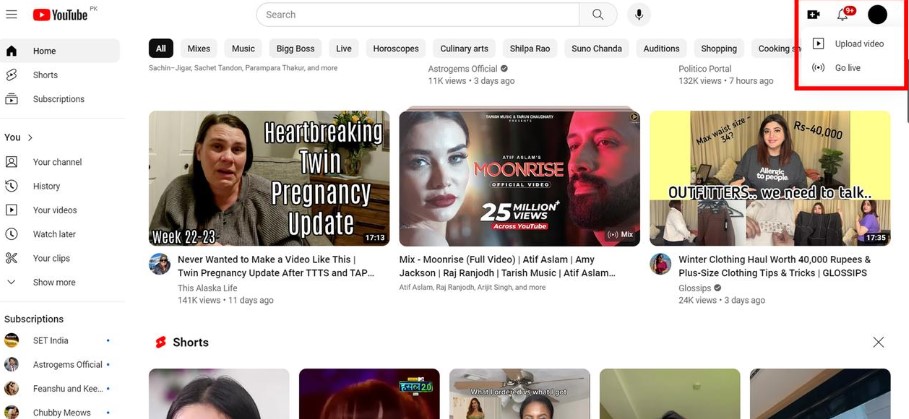
YouTube has several core features that make it a social media platform. It is not just about watching videos; it is about interaction, engagement, and community building.
User-generated content
A major reason YouTube is considered social media is that users create and upload their own content. This is one of the most important qualities of any social platform because the platform depends on its users to publish and share material.
From vloggers and educators to brands and gamers, anyone can create a channel and post videos. That open-content model is very different from traditional media platforms that mostly distribute professionally produced content only.
Likes, comments, and shares
YouTube allows users to like videos, leave comments, and share content with others. These features create conversation and help content spread across the internet, which is a classic part of social media behavior.
Comments are especially important because they let viewers respond directly to creators and to each other. This interaction makes YouTube a place for discussion, not just passive viewing.
Subscriptions and followers
On YouTube, users can subscribe to channels they enjoy. Subscriptions work like following someone on Instagram, Facebook, or TikTok because they help users stay connected with future content from a creator.
This subscription model helps creators build loyal communities. It also creates an ongoing relationship between the audience and the channel, which is one of the strongest signs of a social media platform.
Community posts and live chat
YouTube also includes community posts, where creators can share updates, polls, images, and text-based messages. This feature adds another layer of social interaction beyond video publishing.
Live chat during livestreams makes YouTube even more social. It allows creators and viewers to communicate in real time, which creates a stronger sense of community and direct engagement.
Why some people think YouTube is not social media

Some people see YouTube mainly as a video platform or search engine because they visit it to watch tutorials, reviews, or entertainment instead of chatting with friends. This is a fair point because YouTube has a stronger search and discovery function than many other social media sites.
However, a platform does not stop being social media just because it also works as a search tool. YouTube combines content discovery with user interaction, and that hybrid role is exactly what makes it unique.
YouTube as a search engine and social media platform
YouTube is one of the strongest examples of a platform that works in two ways. It is social media because people engage with creators and communities, and it is also search-driven because users actively look for answers and information.
This gives YouTube a major advantage for marketers and bloggers. A single video can attract viewers from search results, recommendations, and subscriber feeds at the same time.
Main features of YouTube as social media
The table below explains why YouTube is widely treated as a social media platform. These platform features match common social media traits such as interaction, audience growth, and user-generated publishing.
| Feature | How it makes YouTube social |
|---|---|
| User-generated videos | Anyone can create, upload, and publish content on the platform. |
| Comments | Users can discuss videos and reply to creators or other viewers. |
| Likes and shares | Engagement actions help content spread and show audience interest. |
| Subscriptions | Viewers can follow channels and receive updates from creators. |
| Community posts | Creators can post polls, text, and updates outside video uploads. |
| Live chat | Real-time interaction happens during live streams. |
Why YouTube matters for SEO
YouTube matters for SEO because it can improve visibility across both YouTube search and Google search. Video content can rank, attract engagement, and support a broader content strategy for brands and bloggers.
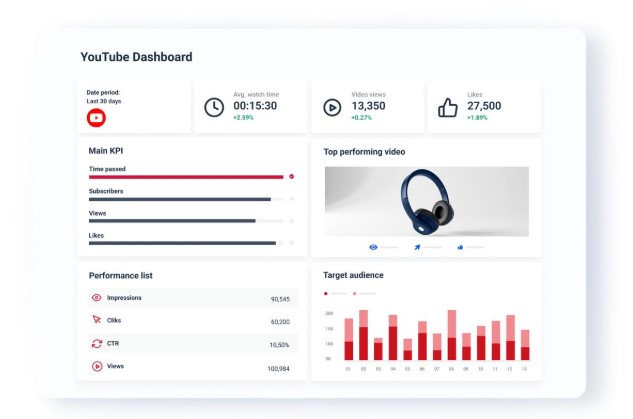
Search-focused video content is especially useful for tutorials, product reviews, educational topics, and how-to articles. When a video answers a real search query, it has more chances to get discovered over time.
More chances to rank
One of the biggest advantages of YouTube is that your content may appear on multiple surfaces. A video can be found through YouTube search, suggested videos, Google search results, and other discovery features.
That means one well-made video can create traffic from more than one source. For bloggers and digital marketers, this gives content a longer life and broader reach.
Better engagement signals

YouTube encourages strong audience engagement through watch time, comments, likes, shares, and subscriptions. Useful and interesting content tends to keep viewers active for longer and encourages them to return.
This kind of engagement can strengthen your brand and increase the value of your content ecosystem. A viewer who watches your video may also visit your site, read your blog, or follow your brand on other platforms.
Support for blog content
YouTube is also useful for bloggers because videos can be embedded into articles. This improves the user experience and gives readers another way to consume information on the page.
For example, if you write a blog post about social media marketing, you can embed a relevant YouTube video inside the article. This can make the post more engaging and help support your content strategy across channels.
How to use YouTube in your SEO strategy

If you want better results from YouTube, you should treat it as part of your larger SEO plan. That means using keywords, structured content, optimized titles, and content that answers real audience questions. Clear headings, strong metadata, and logical structure are also common SEO best practices for content pages.
Use keyword research
Before creating a video, research what your audience is searching for. Choose a primary keyword and a few related secondary keywords that fit naturally into the topic. Using the main keyword in the title and heading structure is a common SEO best practice.
This helps YouTube and search engines understand what your content is about. It also improves the chance of reaching viewers who are already looking for that topic.
Optimize titles and descriptions
Video titles should be clear, direct, and keyword-focused. Descriptions should explain the video naturally and include the topic in a readable way instead of stuffing keywords.
Good metadata improves click-through potential and helps platforms understand relevance. In SEO content more broadly, title tags and meta descriptions are also important because they shape how pages appear in search results.
Add captions and transcripts

Captions and transcripts make videos easier to understand and more accessible. They can also help search systems recognize the full context of a video’s content.
This is helpful for SEO because the platform gets more text-based signals about the topic. It also improves the experience for viewers who prefer reading along.
Encourage audience interaction
Ask viewers to like, comment, and subscribe when it makes sense. Interaction helps build community and can improve content discovery over time.
Replying to comments can also make your channel feel more active and trustworthy. This creates a better social experience for your audience.
Connect YouTube with your blog
The strongest strategy is to connect your blog and YouTube channel together. You can publish a blog post on a topic and then embed a matching YouTube video inside it.
This creates two content assets around the same keyword. It also gives your audience a choice between reading and watching, which can improve satisfaction and engagement.
Common mistakes to avoid
Many creators upload videos without thinking about search intent, structure, or optimization. This often leads to low visibility and poor engagement.
Avoid these common mistakes:
- Using unclear video titles that do not match what people search for.
- Ignoring descriptions, captions, and transcripts.
- Posting content without encouraging interaction.
- Failing to connect YouTube content with a blog or website.
- Treating YouTube only as entertainment and not as part of SEO strategy.
FAQs
Is YouTube a social media app?
Yes, YouTube is a social media app because it allows users to create content, interact with others, and build communities through subscriptions, comments, and engagement features.
Why is YouTube called social media?
YouTube is called social media because it supports user-generated content and social interaction. People can upload videos, comment, like, share, and follow creators, which are standard social media behaviors.
Is YouTube more than social media?
Yes, YouTube is more than social media because it also works as a search engine and content discovery platform. Users often go there to actively search for information, not only to socialize.
How does YouTube help SEO?
YouTube helps SEO by giving content more opportunities to appear in search results and by supporting user engagement. Videos can also be embedded in blog posts to strengthen content strategy.
Is YouTube better than other social platforms for SEO?
In many cases, yes. YouTube can be especially useful for SEO because its videos may appear in both YouTube and Google search, which gives content wider reach than platforms that rely mostly on feed-based discovery.
Can bloggers use YouTube for traffic?
Yes, bloggers can use YouTube to attract traffic by creating helpful videos and linking them with blog content. This approach supports visibility, engagement, and brand trust.
Final thoughts
So, is YouTube considered social media? Yes, it is. YouTube clearly fits the definition of social media because it includes user-generated content, subscriptions, comments, likes, live engagement, and community building.
At the same time, YouTube is also a powerful search and discovery platform. That combination makes it one of the most valuable channels for creators, bloggers, and businesses that want to grow traffic, authority, and brand awareness online.
If you run a blog or online business, you should not think of YouTube as only a place to upload videos. You should treat it as an important part of your full SEO and content marketing strategy.