

Most Popular Database Languages in 2026
Databases are at the heart of modern software, websites, apps, and business systems. Whether you are building a web application, analyzing company data, or managing an enterprise platform, you need the right language to store, retrieve, update, and organize information efficiently.
When people talk about database languages, the first name that usually comes up is SQL. That is because SQL, or Structured Query Language, remains the most recognized and widely adopted language for working with relational databases. At the same time, several other languages such as PL/SQL, T-SQL, PL/pgSQL, Python, and R are also important depending on the database system and the type of work you want to do.
In this guide, you will learn what database languages are, which ones are the most popular, how they are used, and which one may be best for beginners, developers, analysts, and database professionals.
What Are Database Languages?
Database languages are used to communicate with databases. They help users create tables, insert records, update information, delete data, run queries, and manage access or structure inside a database system.
The most common database language family is based on relational databases, where data is stored in tables made up of rows and columns. In this world, SQL is the standard language, while database-specific extensions such as PL/SQL, T-SQL, and PL/pgSQL add more advanced features.

Why Database Languages Matter
Database languages are important because they make it possible to work with data in a structured way. Businesses use them to manage customer records, financial transactions, product listings, analytics dashboards, and internal systems.
For developers and data professionals, learning database languages is valuable because databases are used in almost every modern application stack. SQL in particular is treated as a fundamental skill for database administration, development, and data science work.
SQL
SQL stands for Structured Query Language, and it is the most popular database language for relational databases. It is widely adopted, standardized across many database systems, and commonly used for querying, updating, and managing data.
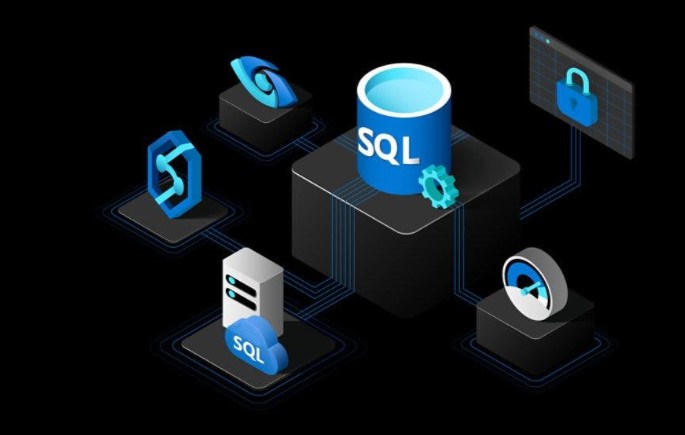
SQL is usually the first language beginners should learn if they want to work with databases. Its wide adoption and consistency across major relational database systems make it the foundation of most database learning paths.
Why SQL is popular
SQL is popular because it is supported by many major relational database management systems and is used for everyday database tasks such as selecting, inserting, updating, and deleting records. Its standardized structure also makes it easier to transfer knowledge across platforms.
Another reason for SQL’s popularity is its role across different careers. Developers, analysts, database administrators, and data scientists all use SQL in some form when working with structured data.
PL/SQL
PL/SQL is an extension of SQL designed for Oracle databases. It adds procedural programming features, which means developers can write more advanced logic such as loops, conditions, variables, and exception handling inside database programs.
PL/SQL is especially useful in enterprise environments where Oracle Database is heavily used. It is often chosen for complex database applications that need strong performance and built-in business logic at the database level.
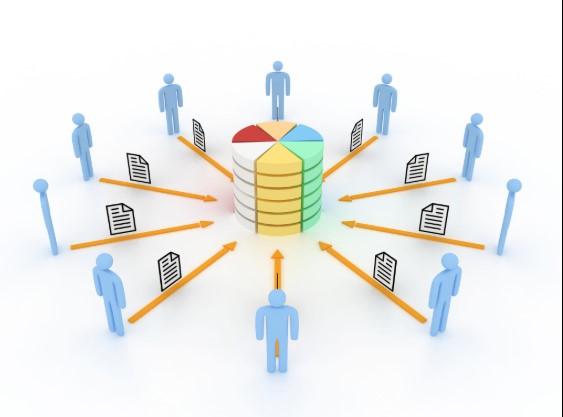
Best use of PL/SQL
PL/SQL is best for Oracle professionals, enterprise developers, and teams that already work inside the Oracle ecosystem. If your company uses Oracle as its primary relational database, learning PL/SQL can be highly valuable.
T-SQL
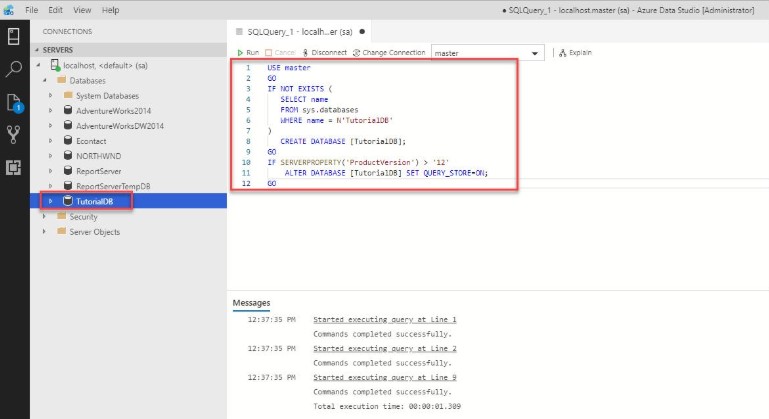
T-SQL, or Transact-SQL, is Microsoft’s extension of SQL for SQL Server. It builds on standard SQL and adds procedural features, system functions, and tools that are tightly integrated with Microsoft’s database environment.
This language is especially popular in companies that use Microsoft technologies for business systems, reporting, and enterprise applications. Because of its close connection to SQL Server, T-SQL is often the go-to language for developers and administrators in Microsoft-based environments.
Best use of T-SQL
T-SQL is ideal if you work with Microsoft SQL Server, business reporting systems, or enterprise software built in the Microsoft ecosystem. It is particularly useful for stored procedures, database automation, and administrative tasks.
PL/pgSQL
PL/pgSQL is PostgreSQL’s procedural language extension for SQL. It allows developers to write functions, stored procedures, and control-flow logic directly inside PostgreSQL.
PostgreSQL is well known for its advanced features, and PL/pgSQL gives developers extra flexibility when building complex data-driven applications. This makes it a strong choice for teams using PostgreSQL for production systems.
Best use of PL/pgSQL
PL/pgSQL is a smart option for developers who use PostgreSQL and want more powerful server-side logic. It is helpful in applications that rely on custom database functions or performance-focused workflows.

Python
Python is not a traditional database query language like SQL, but it is one of the most popular programming languages for working with databases. It is commonly used for automation, integration, data analysis, and connecting applications to databases.
Python is especially valuable because it works well across many use cases, from backend development to data science and machine learning. In broader programming-language popularity rankings, Python also remains the top-ranked language in the April 2026 TIOBE Index.
Why Python works well with databases
Python is widely used for database-related work because it can connect to different database systems and support analytics, scripting, reporting, and application logic. It is often used alongside SQL rather than as a replacement for SQL.
For beginners, Python can be a strong addition after learning SQL because it helps automate database tasks and handle larger data workflows more efficiently.
R
R is another language often used with databases, especially in data science, statistics, and analytical work. It is not the main language for transactional database management, but it is useful when data stored in databases needs to be analyzed in depth.
R is especially popular among statisticians, researchers, and analysts who need advanced data modeling and visualization. In database work, it is often used after data has been extracted or connected through database tools.

Best use of R
R is best for analytics-heavy projects, statistical modeling, and research workflows. If your main goal is reporting, modeling, and deep analysis rather than database administration, R can be very useful.
Most Popular Database Languages Table
The table below gives a simple comparison of the most popular database languages and where they are commonly used. SQL is widely treated as the core language, while the others often support specific platforms or workflows.
Which Database Language Should You Learn First?
For most beginners, SQL is the best first choice. It is the standard language for relational databases and is widely seen as the core skill for working with structured data.
After SQL, the next language depends on your goals. If you want to work in Oracle, learn PL/SQL; if you are in Microsoft environments, learn T-SQL; if you use PostgreSQL, learn PL/pgSQL; and if you want broader data automation or analytics skills, add Python or R.
Database Languages and Career Growth
Learning database languages can improve your opportunities in software development, data analysis, database administration, business intelligence, and backend engineering. SQL is especially important because it appears across many technical and business roles.

Specialized languages become more valuable when tied to real platforms. For example, PL/SQL is important for Oracle environments, and T-SQL matters in Microsoft-centered companies, while Python and R expand your ability to work with data beyond basic querying.
Common Mistakes Beginners Make
One common mistake is trying to learn too many database languages at once. Since SQL is the most widely used and best-known database language, it usually makes sense to begin there before moving into platform-specific tools.
Another mistake is confusing database languages with database systems. SQL, PL/SQL, T-SQL, and PL/pgSQL are languages or language extensions, while Oracle, SQL Server, and PostgreSQL are database platforms that use them.
Conclusion
The most popular database language is still SQL, and it remains the foundation for working with relational databases. Other important database-related languages include PL/SQL, T-SQL, PL/pgSQL, Python, and R, each serving different platforms and use cases.
If you are just starting, learn SQL first because it gives you the strongest base and the widest range of opportunities. After that, choose a more specialized language based on the database platform or career path you want to follow.
FAQs
What is the most popular database language?
SQL is the most popular and most widely recognized database language for relational databases. It is commonly used for querying, updating, and managing structured data.
Is SQL the only database language?
No, SQL is not the only database language. Other important database languages or extensions include PL/SQL, T-SQL, and PL/pgSQL, while Python and R are also widely used in database-related work.
Which database language is best for beginners?
SQL is usually the best choice for beginners because it is widely used, standardized, and foundational for relational database work.
Is Python a database language?
Python is not a traditional database query language like SQL, but it is widely used for working with databases, especially for automation, analytics, and integration.
What is the difference between SQL and PL/SQL?
SQL is a standard language for relational database operations, while PL/SQL is Oracle’s procedural extension of SQL that adds programming features like loops, variables, and exception handling.
Should I learn SQL or Python first?
If your goal is database work, SQL should usually come first because it is the core language for querying relational databases. Python becomes very useful after that for automation and advanced data workflows.