

A Fitness Tracker Is an Example of a Device Complete Beginner Guide
A fitness tracker is an example of a wearable device. It is designed to track physical activity and body-related data such as steps, calories burned, distance, heart rate, and sleep patterns to help users monitor their health and fitness goals.
These devices have become popular because they make health tracking simple and more personal. Most people wear them on the wrist like a watch, while some models also come as rings or are built into other wearable formats.
What Is a Fitness Tracker?
A fitness tracker is an electronic wearable device that measures movement and physical responses over time. It collects health and activity data so users can better understand their daily habits and fitness progress.
Most fitness trackers record common metrics such as step count, distance covered, calories burned, heart rate, and sleep quality. Some advanced models can also monitor blood oxygen, heart rhythm, and exercise minutes depending on the brand and model.
Why Is a Fitness Tracker Called a Device?

A fitness tracker is called a device because it is a physical electronic product with sensors, software, and tracking functions. It is not just an app or a simple accessory; it actively collects, processes, and displays health-related data.
Since it is worn on the body and used for monitoring personal activity, it fits into the category of wearable technology. That is why a fitness tracker is often described as a wearable health or fitness device.
Types of Fitness Tracker Devices
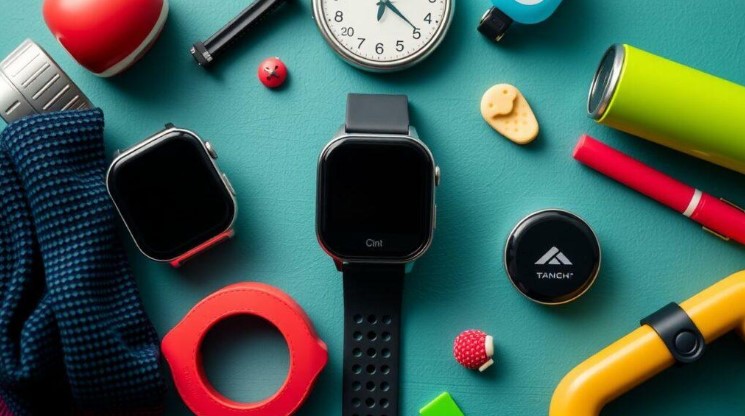
Fitness trackers are available in different forms depending on how they are worn and what features they offer. The most common version is a wrist-based tracker, but other forms also exist.
Wrist Fitness Trackers
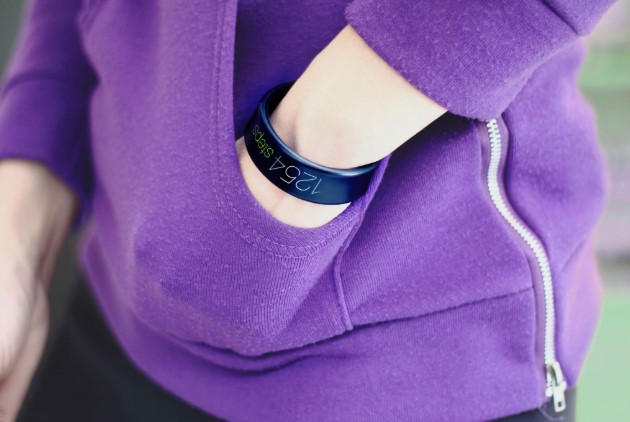
Wrist-based trackers are the most common type and are usually worn like a watch or band. They often include a digital display and track steps, heart rate, sleep, and activity throughout the day.
Smartwatches With Fitness Tracking

Many smartwatches also function as fitness trackers. Devices such as the Apple Watch combine smartwatch features with health and activity monitoring, making them a popular hybrid option.
Ring Fitness Trackers
Some fitness trackers are designed as rings instead of wristbands. These models usually rely on a smartphone connection to display tracked data rather than using a built-in screen.
Earbud or Ear-Based Trackers

Another type places sensors inside earphones or earbuds. These devices can track health data from the ear and often depend on a connected smartphone for displaying information.
How a Fitness Tracker Works
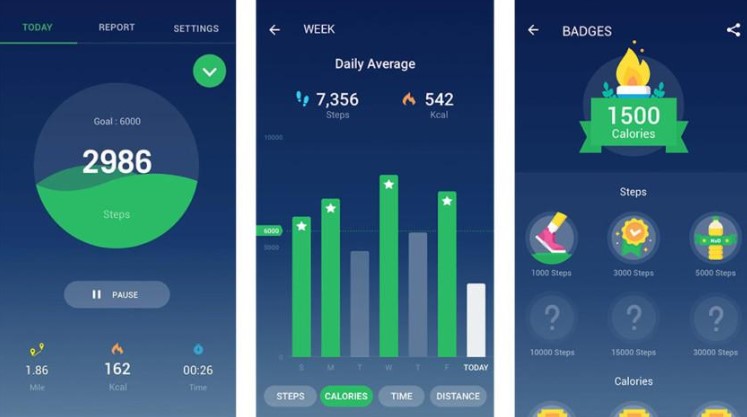
Fitness trackers work by using sensors and algorithms to detect motion and body signals. Common sensors include accelerometers for movement tracking, while some advanced models also use heart rate sensors, GPS, altimeters, and other tools.
The device collects this data and usually syncs it with a smartphone or computer. This allows users to view reports, trends, and progress over time through an app or dashboard.
Common Features of Fitness Trackers
Fitness trackers are designed to monitor both everyday movement and specific health indicators. The available features can vary by device, but several functions are very common across many models.
Step Tracking
Step tracking is one of the basic and most common features. It counts daily steps to help users measure how active they are.
Heart Rate Monitoring
Many fitness trackers use sensors to monitor heart rate throughout the day. This can help users understand workout intensity and general heart activity.
Sleep Tracking
Fitness trackers often measure sleep duration and sleep quality. This helps users learn more about rest patterns and recovery.
Distance and Calories
Most devices estimate distance traveled and calories burned based on movement and personal profile data. These features are especially useful for walking, running, and fitness routines.
Extra Health Features
Some advanced models include blood oxygen tracking, heart rhythm information, fall detection, medication logging, or period tracking. These features depend on the device and model.
Benefits of Using a Fitness Tracker
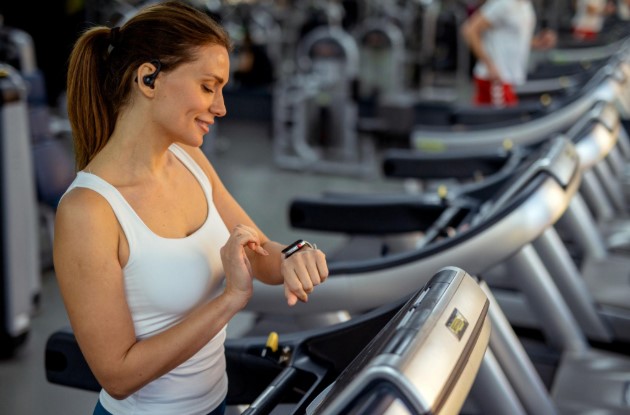
Fitness trackers can help people become more aware of their daily habits and exercise routines. By showing clear activity data, they make it easier to set goals and track progress.
They are also useful for motivation. Many users find that seeing their steps, sleep, or heart rate trends encourages them to stay active and make healthier choices.
Fitness Tracker Examples
There are many well-known fitness tracker brands and models on the market. Popular examples mentioned in recent product roundups include Fitbit, Garmin, Apple Watch, Samsung Galaxy Fit, and Oura Ring.
Some devices focus mainly on fitness tracking, while others combine fitness features with smartwatch tools like notifications, calls, and apps. This means buyers can choose between simple activity bands and more advanced all-in-one wearables.
Fitness Tracker vs Smartwatch
A fitness tracker and a smartwatch are similar, but they are not always the same thing. A fitness tracker is mainly designed to monitor health and physical activity, while a smartwatch usually includes extra phone-like features such as notifications, apps, and calling tools.
However, the gap between them is smaller now because many smartwatches also include strong fitness-tracking functions. That is why devices like the Apple Watch are often discussed in both categories.
Fitness Tracker Features Table
Who Should Use a Fitness Tracker?
Fitness trackers can be useful for beginners, active people, and anyone who wants to understand their daily habits better. They are often chosen by people who want a simple way to monitor exercise, sleep, and general health trends.
They can also help users stay consistent with goals such as walking more, improving sleep, or keeping track of workout routines. The right model depends on the features, comfort, and budget a person prefers.
Common Limitations
Fitness trackers are helpful, but they are not perfect. Some sources note that wrist-based trackers can be less accurate during certain kinds of movement, and calorie estimates may be less reliable than step or heart-rate tracking.
This means users should treat them as useful wellness tools rather than exact medical instruments unless a device is specifically designed and approved for medical use. Accuracy can also vary by brand and model.
Conclusion
A fitness tracker is an example of a wearable device used to monitor health and physical activity. It can track steps, heart rate, sleep, calories, distance, and other body-related data to help users improve their fitness habits over time.
Because fitness trackers are easy to wear and simple to use, they have become one of the most popular types of personal health technology. Whether you choose a basic band, a smart ring, or a smartwatch with fitness features, the main goal is the same: to help you better understand your body and activity.
FAQs
Is a fitness tracker a wearable device?
Yes, a fitness tracker is a wearable device because it is worn on the body and monitors physical activity and health-related data.
What does a fitness tracker measure?
A fitness tracker can measure steps, distance, calories burned, heart rate, sleep, and other body metrics depending on the model. Some advanced devices also include blood oxygen or heart rhythm features.
Is a smartwatch also a fitness tracker?
Some smartwatches also function as fitness trackers. Devices like the Apple Watch include fitness-tracking features along with smartwatch functions.
What is the main purpose of a fitness tracker?
The main purpose of a fitness tracker is to monitor activity and health patterns so users can better understand their habits and improve fitness or wellness over time.
Are fitness trackers accurate?
Fitness trackers can be fairly accurate for steps and heart rate, but some measurements such as calorie burn may be less exact. Accuracy can vary by device and activity type.
What are examples of fitness trackers?
Examples include Fitbit devices, Garmin fitness trackers, Apple Watch models with fitness features, Samsung Galaxy Fit, and Oura Ring.