
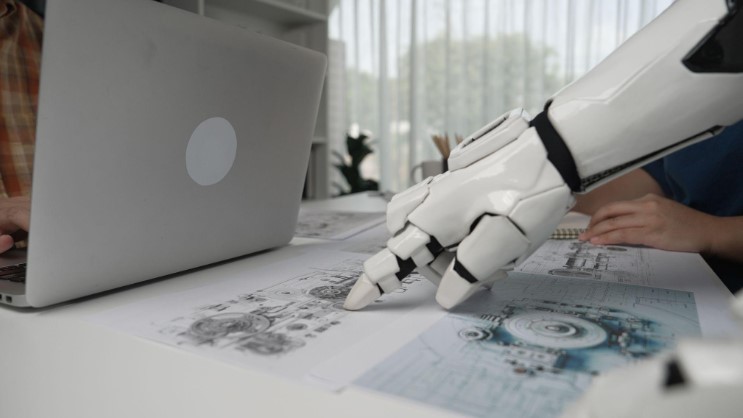
In the rush to crown AI as the future of work, one question still remains:
Why are humans still more cost-effective than AI compute?
As of 2026, training and running massive AI models like Grok 4 and GPT successors requires enormous spending on electricity, GPUs, cooling systems, and infrastructure.
Meanwhile, human workers still complete many tasks at a lower overall cost — especially jobs requiring creativity, empathy, decision-making, and adaptability.
This article breaks down the real economics behind AI vs human labor, compares actual costs, and explains when AI may finally become cheaper than humans.
The Skyrocketing Cost of AI Compute
AI is powerful — but extremely expensive.
Training and running large language models requires billions of calculations every second, demanding expensive hardware and huge amounts of electricity.
What Makes AI Compute So Expensive?
1. GPU Hardware Costs
High-end GPUs like NVIDIA H100 chips cost more than $30,000 each.
Frontier AI models require thousands of GPUs running together in giant clusters.
That alone can cost hundreds of millions of dollars.
2. Electricity Consumption
Training GPT-4 reportedly consumed around 50 GWh of electricity.
That is enough energy to power around 5,000 homes for an entire year.
At industrial electricity rates (~$0.10/kWh), that equals roughly:
- $5 million in electricity alone
3. Cooling & Infrastructure
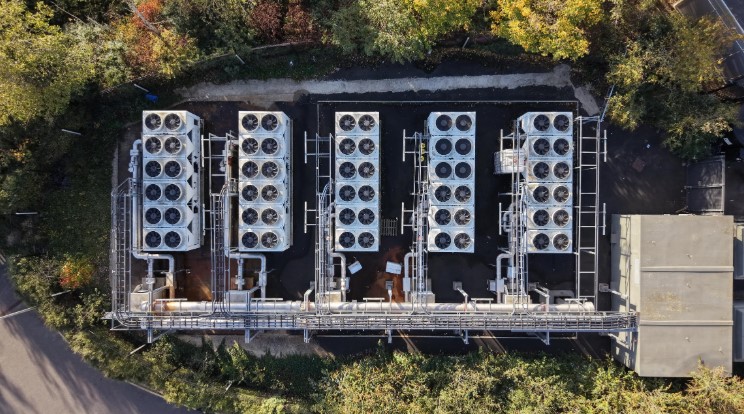
AI data centers generate enormous heat.
Companies like Microsoft, Google, and OpenAI spend billions yearly on:
- Cooling systems
- Data center expansion
- Network infrastructure
- Maintenance
Real AI Compute Cost Benchmark

Estimated Frontier Model Costs (2026)
| Model | Estimated Training Cost | FLOPs Required | Annual Inference Cost |
|---|---|---|---|
| GPT-4 Equivalent | $100M | 2e25 | $10M+ |
| Grok 4.1 | $200M | 5e25 | $15M |
| Hypothetical GPT-5 | $500M+ | 1e27 | $50M+ |
Sources: Epoch AI, SemiAnalysis
These estimates do not include employee salaries, research costs, or operational overhead.
Human Labor: The Hidden Efficiency Machine
Humans are far from perfect — but for many jobs, they remain dramatically cheaper.
Average labor costs:
- Developing markets: around $15/hour
- United States: around $30–50/hour fully loaded
Why Human Workers Are Still Cheaper
1. No Infrastructure Costs
Humans do not require:
- GPU clusters
- Data centers
- Cooling systems
- AI engineers
A laptop, desk, internet connection, and coffee are often enough.
2. Multitasking Ability
One employee can:
- Answer emails
- Handle customer support
- Solve problems
- Make decisions
- Create content
AI systems usually require separate models, tools, or workflows for each task.
3. Adaptive Learning
Humans improve naturally through experience.
AI requires:
- Retraining
- Fine-tuning
- New datasets
- Additional compute spending
Human vs AI: Direct Cost Comparis
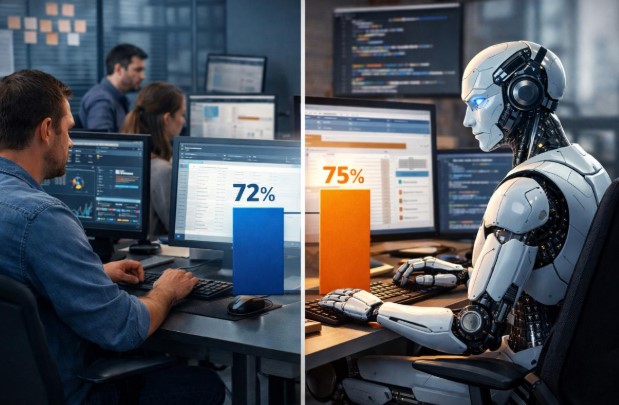
Let’s compare a company processing around 10 million tasks per year.
Cost Comparison Table
| Metric | Human Workers | AI Compute Equivalent | Winner |
|---|---|---|---|
| Upfront Investment | Minimal | ~$5M GPU setup | Humans |
| Per Task Cost | ~$0.05 | ~$0.20 | Humans |
| Energy Costs | Very Low | ~$2M+ yearly | Humans |
| Adaptability | High | Requires retraining | Humans |
| Scalability | Flexible hiring | More GPUs required | Humans |
Key Insight
AI may process simple tasks faster.
But humans remain:
- More adaptable
- More creative
- Less infrastructure-heavy
- More affordable in many industries
Jobs Where Humans Still Win
According to McKinsey’s 2026 AI report, humans remain significantly cheaper for:

Creative Work
Examples:
- Advertising
- Storytelling
- Branding
- Emotional writing
AI often requires heavy editing and rewrites.
Physical Work
Robotics hardware is still extremely expensive.
Human workers remain cheaper in:
- Warehousing
- Construction
- Repair work
- Delivery jobs
Empathy-Based Roles
Humans outperform AI in:
- Therapy
- Teaching
- Sales
- Customer relationships
Hidden AI Costs Most People Ignore
AI’s total ownership cost goes far beyond API pricing.
Additional AI Expenses
Data Collection
Custom AI systems require labeled training data.
That alone can cost:
- $1M+
Latency Costs
Real-time AI applications need expensive edge infrastructure.
Regulatory Risk
AI laws are tightening globally.
Incorrect outputs or biased models can lead to:
- Massive legal penalties
- Compliance costs
- Reputation damage
Real-World Examples (2026)
Call Centers
Many outsourcing firms in Pakistan and India still prefer human support agents.
Reason:
- AI handles only part of the workload
- Human agents remain cheaper overall
Content Creation
AI-generated articles often require significant editing.
Human writers still provide:
- Better emotional quality
- Cultural understanding
- More originality
Software Development
AI coding assistants save time.
But bugs generated by AI can create massive fixing costs later.
When Will AI Become Cheaper Than Humans?
The answer is:
Eventually — but not fully yet.
Expected Timeline
2027–2028
Routine digital tasks may become cheaper with AI.
Examples:
- Data entry
- Basic support chats
- Repetitive office tasks

2030+
Advanced robotics and AGI could eventually compete with humans in:
- Physical labor
- Complex reasoning
- Dexterity-based jobs
However, energy shortages and chip supply issues may delay this transition.
Smart Business Strategy: Hybrid Models
The most effective companies will combine:
- AI for speed and automation
- Humans for creativity and judgment
Best Approach
Use AI For:
- Repetitive tasks
- Bulk processing
- Draft generation
- Fast analysis
Use Humans For:
- Final decisions
- Creativity
- Emotional intelligence
- Complex edge cases
This hybrid model often delivers the best balance of:
- Cost
- Speed
- Quality
Conclusion
Humans still outcost AI compute in 2026 because they remain:
- Cheaper
- More flexible
- Infrastructure-free
- Naturally adaptive
AI systems still require billions in hardware, power, and operational spending.
For now, most businesses achieve better results using a combination of both humans and AI.
But the gap is shrinking quickly.
The smartest companies today are not replacing humans entirely.
They are building systems where humans and AI work together.
Frequently Asked Questions
Why are humans currently cheaper than AI compute?
Because AI requires expensive GPUs, electricity, cooling systems, infrastructure, and retraining.
Humans require far less operational overhead.
When will AI become cheaper than humans?
Experts predict:
- 2028 for many digital tasks
- 2030+ for physical labor
Though energy and hardware limitations may slow progress.
Is AI already cheaper for some tasks?
Yes.
AI is already more cost-effective for:
- Large-scale repetitive tasks
- High-volume digital processing
- Basic automation
What is the best strategy for businesses today?
Use a hybrid model:
- AI for efficiency
- Humans for quality and decision-making
That usually provides the best ROI.