
Introduction
Can cell phones be educational tools?
Cell phones can be educational tools because they provide access to information, support interactive learning, and help students stay organized and engaged.
In today’s digital age, smartphones are no longer just devices for entertainment. They provide access to information, educational apps, online courses, and collaborative tools that help students learn more effectively.
This article explores how cell phones can be educational tools, how they support students in school, and practical ways teachers can integrate them into the classroom.
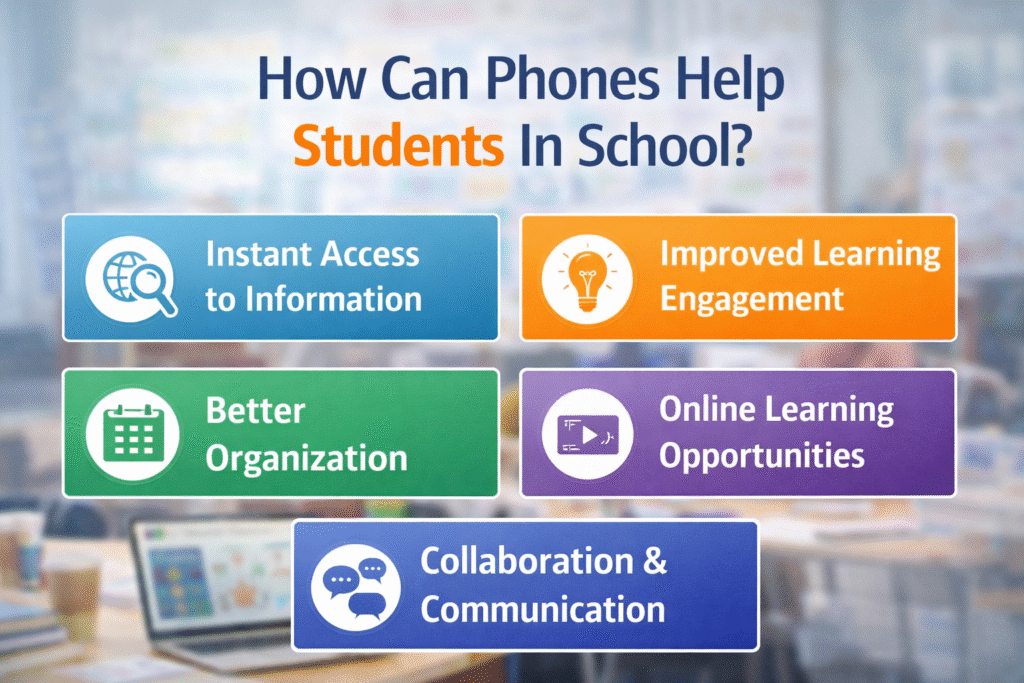
How Can Phones Help Students In School?
Cell phones can play a significant role in improving the learning experience when used responsibly.
1. Instant Access to Information
Students can quickly search for topics, definitions, and explanations during lessons. This helps them understand concepts better and learn independently.
2. Improved Learning Engagement
Interactive apps, videos, and quizzes make learning more engaging compared to traditional methods.
3. Better Organization
Students can use:
- Notes apps
- Calendar reminders
- Task managers
to stay organized and manage their studies effectively.
4. Online Learning Opportunities
Cell phones allow students to access:
- Online courses
- Educational platforms
- Virtual classrooms
This expands learning beyond the classroom.
5. Collaboration & Communication
Students can easily communicate with classmates and teachers through messaging apps and group discussions.
How Can Cell Phones Be Used As Educational Tools?
Cell phones become educational tools when they are used with a clear purpose.
1. Educational Apps
Apps for math, science, languages, and coding help students practice and improve their skills.
2. Video Learning
Platforms like educational videos help explain complex topics visually.
3. Interactive Learning
Students can participate in quizzes, polls, and games that make learning fun.
4. Digital Notes & Study Materials
Instead of carrying books, students can store notes, PDFs, and study materials on their phones.
5. Research & Exploration
Phones allow students to explore topics in depth and learn beyond textbooks.
👉 This clearly shows that cell phones can be educational tools when used wisely.
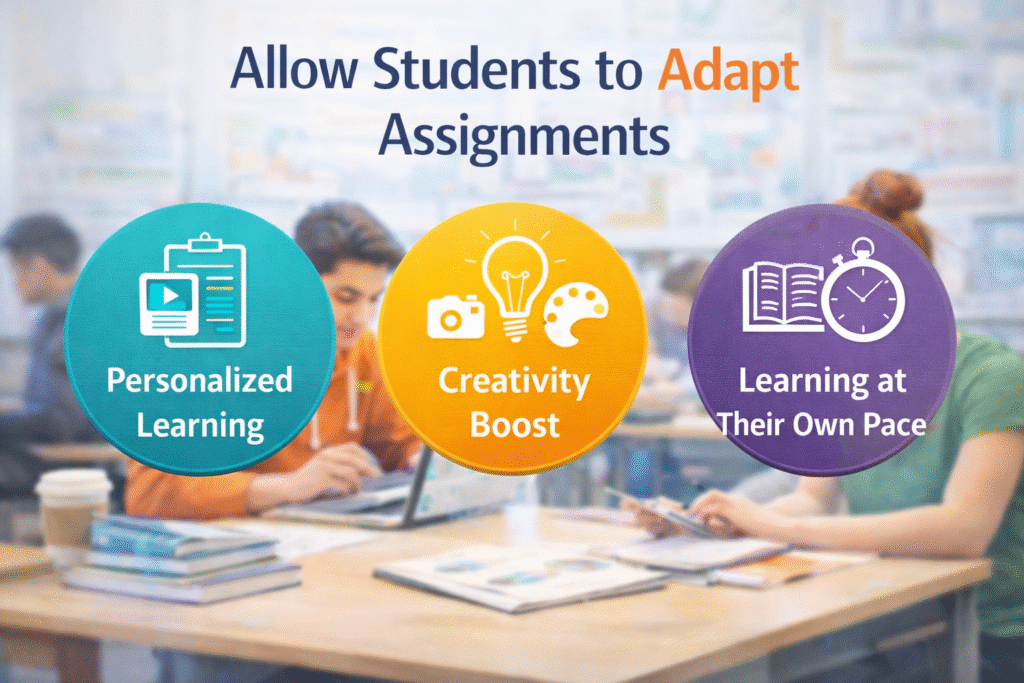
Allow Students to Adapt Assignments
One of the biggest advantages of using cell phones in education is flexibility.
Personalized Learning
Students can complete assignments using:
- Videos
- Presentations
- Digital documents
instead of traditional methods.
Creativity Boost
Phones allow students to:
- Record videos
- Create content
- Design projects
This encourages creativity and innovation.
Learning at Their Own Pace
Students can review materials anytime, helping them learn according to their speed.
Let Students Research Things They’re Passionate About
Allowing students to explore their interests increases motivation and learning outcomes.
Independent Learning
Students can research topics they love, which builds curiosity and critical thinking.
Deeper Understanding
When students choose topics of interest, they engage more deeply and retain information better.
Skill Development
Researching independently helps students develop:
- Problem-solving skills
- Analytical thinking
- Digital literacy
3 Tips For Integrating Phones In A Classroom
To make cell phones effective educational tools, proper strategies are essential.
1. Set Clear Rules and Guidelines
Teachers should define:
- When phones can be used
- What apps are allowed
- What activities are educational
This prevents misuse.
2. Use Educational Apps Only
Encourage students to use apps that support learning instead of distractions like social media.
3. Monitor and Guide Students
Teachers should actively guide students and ensure phones are used productively.
FAQS
How can cellphones be educational tools essay?
Cellphones can be educational tools by providing access to online resources, educational apps, and digital learning platforms that help students learn anytime and anywhere.
How can cellphones be educational tools for students?
Cellphones help students by offering instant information, learning apps, communication tools, and access to online classes, making learning more flexible and interactive.
Can cell phones be educational tools essay?
Yes, cell phones can be educational tools when used properly, as they support research, collaboration, and digital learning through apps and online resources.
Cell phones as educational tools
Cell phones act as educational tools by enabling students to access study materials, take notes, watch educational videos, and participate in online learning.
Can cell phones be educational tools pros and cons?
Pros include easy access to information, interactive learning, and flexibility. Cons include distractions, misuse, and reduced focus if not managed properly.
How can phones help students in school?
Phones help students by improving research skills, enabling communication, organizing tasks, and providing access to educational content instantly.
20 reasons why cell phones should be allowed in school
Cell phones support learning, improve communication, enhance research skills, provide educational apps, and help students stay organized and engaged.
Why mobile phones are a powerful learning tool
Mobile phones are powerful learning tools because they offer instant access to knowledge, interactive learning methods, and personalized education experiences.
Conclusion
So, can cell phones be educational tools?
The answer is yes — when used correctly, they can transform the learning experience.
Cell phones provide access to information, improve engagement, and support personalized learning. By setting proper guidelines and using the right tools, educators can turn smartphones into powerful learning devices.
In 2026 and beyond, integrating technology like smartphones into education is not just beneficial — it is essential for modern learning.