

Attributes in Database Management System: Types, Examples, and Importance
In database management system, attributes are the properties or characteristics that describe an entity. They give meaning to data by storing specific details about a person, object, event, or record inside the database.
For example, if Student is an entity, then attributes might include name, roll number, class, phone number, and date of birth. Without attributes, an entity would exist only as a label and would not contain any useful information.
Attributes are one of the most important concepts in DBMS because they define the structure of data. They help organize records, support searching and filtering, and make databases easier to design and manage.
What Are Attributes in DBMS?
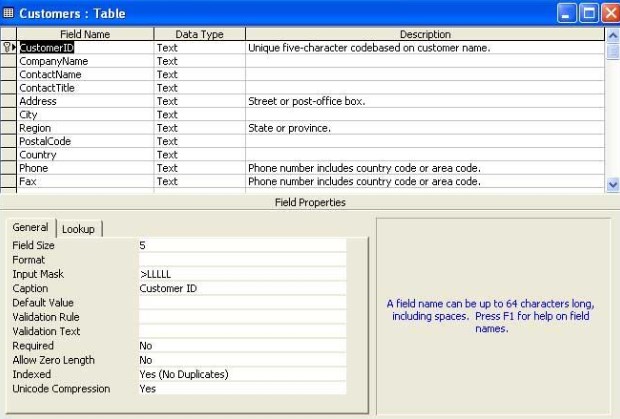
An attribute in DBMS is a property that describes an entity. In relational databases, attributes are commonly represented as columns in a table, while each row stores the values for those attributes for one record.
For example, in an employee table, attributes may include Employee_ID, Name, Date_of_Birth, Address, and Salary. These attributes describe each employee record and help users understand what data the table stores.
Why Attributes Matter in DBMS
Attributes matter because they give structure to a database and make data meaningful. They define what information should be stored for each entity and help maintain consistency across records.
They also play a major role in searching, sorting, filtering, and retrieving data. Well-defined attributes support efficient queries and make it easier to perform database operations accurately.
Attributes and Entities
To understand attributes clearly, you should first understand entities. An entity is a real-world object or concept, such as a student, customer, employee, or product, while attributes describe that entity in detail.
For example, if Customer is an entity, then customer ID, name, phone number, and email are its attributes. This relationship between entity and attribute is a basic part of database design and ER modeling.
Types of Attributes in DBMS
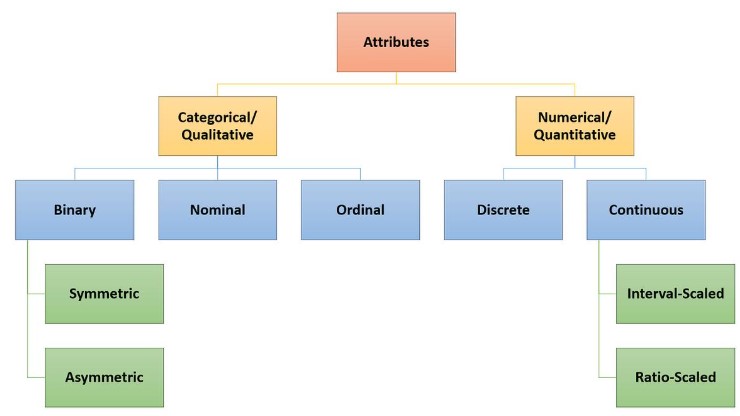
There are several types of attributes in DBMS, and each type is used for a different data requirement. Commonly discussed types include simple, composite, single-valued, multivalued, derived, and key attributes.
Simple Attribute
A simple attribute is an attribute that cannot be divided into smaller meaningful parts. It stores atomic data and is usually easy to query and manage.
For example, age or salary can be treated as simple attributes because they usually hold one direct value that is not broken into subparts.

Composite Attribute
A composite attribute can be divided into smaller sub-attributes. This type is useful when a single attribute contains multiple related pieces of information.
For example, a Name attribute may be divided into first name, middle name, and last name. Similarly, an Address attribute may be broken into street, city, state, and postal code.
Single-Valued Attribute
A single-valued attribute holds only one value for each entity instance. It is one of the most common types of attributes used in structured databases.
For example, a student’s roll number or an employee’s date of birth is usually single-valued because each record has only one correct value for that field.
Multivalued Attribute
A multivalued attribute can store multiple values for a single entity. This type is used when one record may naturally have more than one value for the same property.
For example, a student may have multiple phone numbers, or an employee may have multiple skills. In relational database design, multivalued attributes often require special handling, such as separate tables and relationships.
Derived Attribute
A derived attribute is an attribute whose value is calculated from another attribute rather than stored directly. It is useful when the value can be generated whenever needed.
For example, Age can be derived from Date of Birth. Instead of storing age directly, the system can calculate it from the stored birth date.
Key Attribute
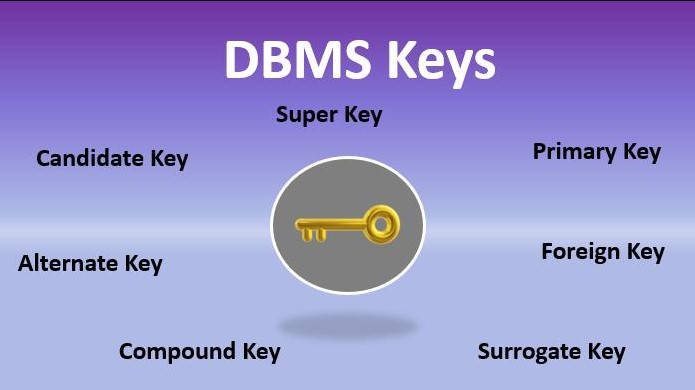
A key attribute uniquely identifies each entity instance in a database. It is important for distinguishing one record from another and for supporting database operations and relationships.
For example, Student_ID or Roll_No can be a key attribute in a student table because each student must have a unique identifier. Key attributes are essential in relational databases for accurate retrieval and linking of records.
Attributes Table
The table below gives a simple overview of the main types of attributes in DBMS and their examples. These examples are commonly used to explain how attributes describe and organize entity data.
Examples of Attributes in DBMS
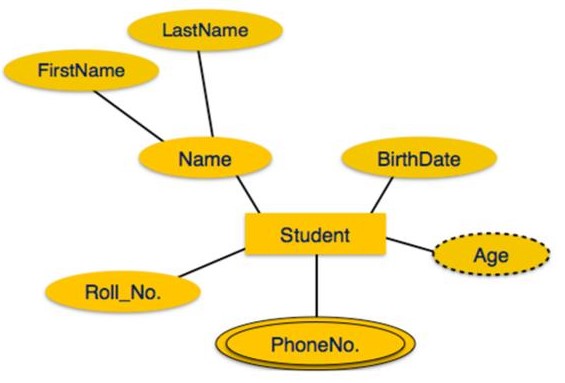
Let us take a Student entity as an example. Its attributes may include Student_ID, Name, Class, Date_of_Birth, Phone_Number, and Age.
In this example, Student_ID is a key attribute, Name can be a composite attribute, Phone_Number can be a multivalued attribute, and Age can be a derived attribute. This shows how different types of attributes can exist together in one database design.
Role of Attributes in Database Design
Attributes are essential during database design because they help define what data needs to be stored for each entity. Choosing the right attributes makes the database more organized, clear, and useful for applications and reporting.
They also support data integrity and performance. Some sources note that well-structured attributes can improve query performance and help enforce constraints such as NOT NULL and UNIQUE.
Attributes in Relational Databases
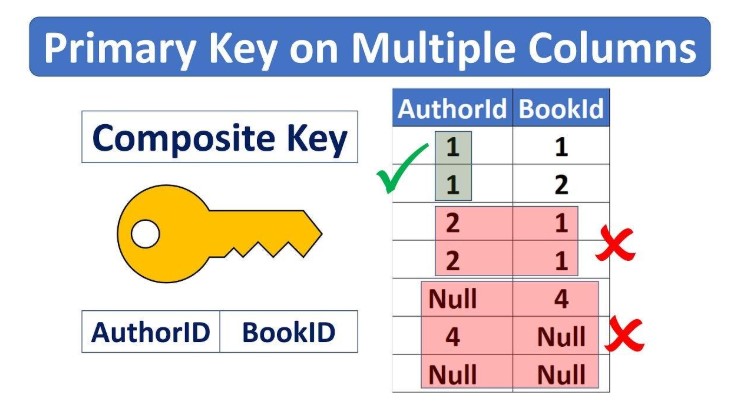
In relational databases, attributes are represented as columns in tables. Each row contains the values of those attributes for a single record, which makes the table format easy to understand and query.
This column-based structure is why attributes are so important in SQL-based systems. When users run queries, they select, filter, sort, and group data based on attribute values.
Common Mistakes in Understanding Attributes
A common mistake is thinking that attributes and records are the same thing. Attributes are columns or characteristics, while records are rows that contain the actual values for those attributes.
Another mistake is storing multivalued data in a single field without proper design. Some sources note that multivalued attributes often need separate tables and relationships in relational databases to avoid design problems.
Best Practices for Using Attributes in DBMS
Good attribute design starts with clarity. Each attribute should have a clear purpose, a proper name, and a suitable data type based on the kind of information being stored.
It is also important to avoid unnecessary duplication and to use key attributes where unique identification is needed. Well-planned attributes make the database easier to maintain, search, and expand over time.
Conclusion
Attributes in database management system are the characteristics or properties that describe entities and define the structure of stored data. In relational databases, they usually appear as columns and help organize information in a clear and usable way.
The main types of attributes in DBMS include simple, composite, single-valued, multivalued, derived, and key attributes. Understanding these types is essential for good database design, accurate data storage, and efficient query handling.
If you are learning DBMS, attributes are one of the first concepts you should master because they are the building blocks of tables, records, and relationships. A strong understanding of attributes makes advanced topics like normalization, keys, and ER diagrams much easier to learn.
FAQs
What are attributes in database management system?
Attributes in database management system are the properties or characteristics that describe an entity. In relational databases, they usually correspond to table columns.
What is an example of an attribute in DBMS?
An example of an attribute is Name, Roll Number, or Date of Birth in a student database. These describe the student entity in more detail.
What are the types of attributes in DBMS?
Common types of attributes in DBMS include simple, composite, single-valued, multivalued, derived, and key attributes.
What is a key attribute in DBMS?
A key attribute is an attribute that uniquely identifies each record in a database. Examples include Student_ID and Employee_ID.
What is a multivalued attribute in DBMS?
A multivalued attribute can have more than one value for a single entity. Phone numbers and skills are common examples.
What is the difference between a simple and composite attribute?
A simple attribute cannot be divided into smaller meaningful parts, while a composite attribute can be divided into sub-attributes. Age is a simple attribute, while Name or Address can be composite attributes.
Can an attribute be derived in DBMS?
Yes, a derived attribute is calculated from another stored attribute. A common example is age derived from date of birth.
Why are attributes important in DBMS?
Attributes are important because they define the structure of data, support searching and filtering, and help maintain meaningful and organized records in the database.