
Introduction
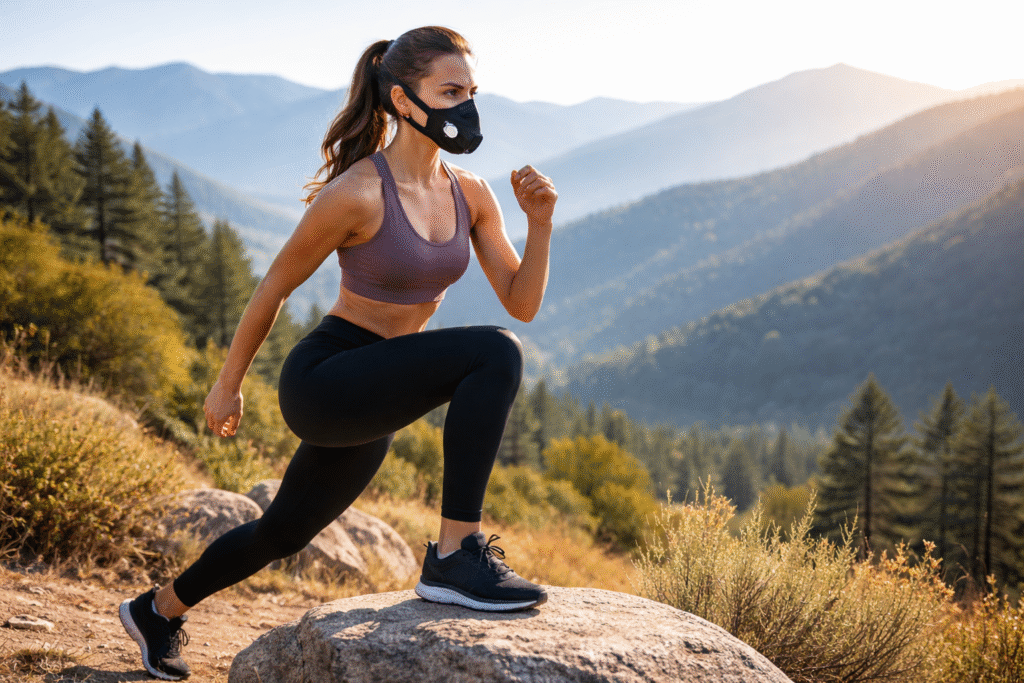
How to simulate high altitude training is a common question for athletes, runners, and fitness enthusiasts who want to improve endurance and performance without actually going to the mountains.
The good news is — you don’t need to travel to high-altitude locations to get the benefits. With the right techniques, tools, and training strategies, you can simulate high altitude conditions and train your body effectively.
In this guide, you’ll learn how altitude training works, how to simulate it at home or in the gym, and how to safely improve your performance.
How Does Altitude Training Work? The Key to High-Altitude Success
Altitude training works by exposing your body to lower oxygen levels.
At higher altitudes:
- Oxygen levels are lower
- Your body works harder
- Red blood cell production increases
What happens in your body?
- Your lungs take in less oxygen
- Your body adapts by producing more red blood cells
- Oxygen delivery improves over time
👉 This leads to:
✔ Better endurance
✔ Improved stamina
✔ Enhanced athletic performance
How to Train and Perform at High Altitudes
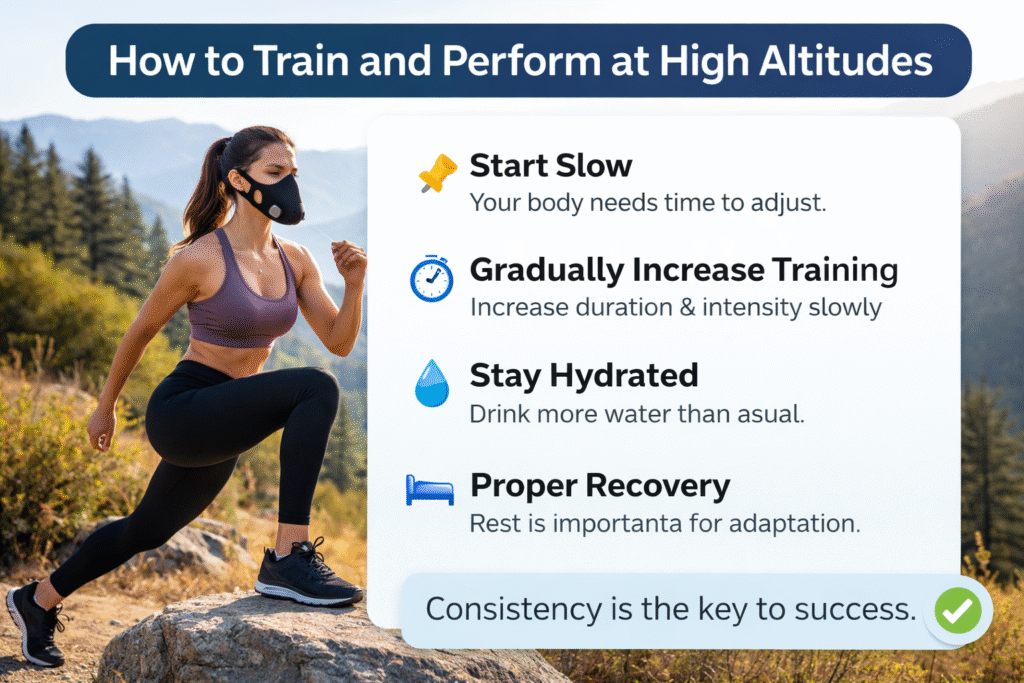
Training at high altitude (or simulating it) requires smart planning.
Start Slow
Your body needs time to adjust, so begin with low intensity.
Gradually Increase Training
Increase duration and intensity slowly to avoid fatigue.
Stay Hydrated
Dehydration happens faster at altitude, so drink more water.
Proper Recovery
Rest is very important for adaptation.
Consistency is the key to success.
Understanding Simulated Altitude Conditions
Simulated altitude training recreates low-oxygen environments without actually going to high altitudes.
Common Methods:
- Altitude masks
- Hypoxic tents
- Low-oxygen training rooms
Goal:
To trick your body into thinking it’s at high altitude.
👉 This helps your body adapt and improve oxygen efficiency.
Adjusting Training Intensity and Volume
One of the biggest mistakes people make is training too hard.
Don’t:
- Train at full intensity immediately
- Overload your body
Do:
- Reduce intensity initially
- Focus on endurance
- Increase workload gradually
Tip:
Lower oxygen = higher effort
So even light workouts feel harder.
DIY Altitude Training Methods (At Home)
You don’t always need expensive equipment.
1. Interval Training
Short bursts of intense exercise improve oxygen usage.
2. Breath Control Exercises
Practice controlled breathing to improve lung capacity.
3. High-Intensity Workouts
HIIT training can mimic altitude stress.
4. Altitude Masks
These restrict airflow and simulate breathing difficulty.
5. Stair Climbing
Great for endurance and oxygen efficiency.
👉 These methods are simple but effective.
For a detailed guide on how altitude training works in real scenarios
Benefits of Simulating High Altitude Training
1. Improved Endurance
You can perform longer without fatigue.
2. Better Oxygen Efficiency
Your body uses oxygen more effectively.
3. Increased Stamina
Perfect for athletes and runners.
4. Enhanced Mental Strength
Training becomes tougher, making you mentally stronger.
5. Competitive Advantage
Many professional athletes use altitude training.
Here’s How to Reduce Your Risk of Altitude Sickness
Even simulated training can stress your body.
Symptoms:
- Headache
- Dizziness
- Fatigue
Prevention Tips:
- Start slowly
- Stay hydrated
- Eat properly
- Take rest days
- Avoid overtraining
Important:
Listen to your body — don’t push too hard.
FAQS
High altitude training masks pros and cons?
Answer:
Altitude training masks can improve breathing control and endurance, but they do not fully replicate real high-altitude conditions.
✔ Pros: Better lung capacity, stronger breathing muscles
❌ Cons: Limited oxygen simulation, discomfort during workouts
Altitude mask for running – is it effective?
Answer:
Altitude masks can help improve breathing efficiency during running, but they mainly train your lungs rather than increasing red blood cells like real altitude training.
How do you train for high altitude and low oxygen?
Answer:
You can train for high altitude by gradually increasing intensity, practicing breathing exercises, using altitude simulation tools, and focusing on endurance workouts.
Altitude training: does it work and how to do it?
Answer:
Yes, altitude training works by improving oxygen efficiency and increasing red blood cell production. It can be done through real altitude exposure or simulated methods like hypoxic training and controlled workouts.
How do you simulate high-altitude training?
Answer:
You can simulate high-altitude training using altitude masks, hypoxic tents, interval training, and breathing exercises that reduce oxygen intake and improve endurance.
Conclusion
If you’re wondering how to simulate high altitude training, the answer is simple: use smart techniques like controlled breathing, interval training, and gradual intensity adjustments.
You don’t need mountains to train like a pro. With the right approach, you can improve endurance, boost performance, and gain a competitive edge — all from your home or gym.
Start slow, stay consistent, and let your body adapt naturally.